
Exploring the realm of sustainable electric technologies in modern buildings unveils a world where innovation meets environmental consciousness. From energy-efficient lighting to solar power integration, this topic delves into the cutting-edge solutions driving sustainability in our urban landscapes.
As we navigate through the intricacies of sustainable electric technologies, we uncover the transformative impact these advancements have on the way we construct and inhabit modern buildings.
Sustainable Electric Technologies in Modern Buildings
Sustainable electric technologies in modern buildings refer to energy-efficient systems and solutions that reduce the overall energy consumption and environmental impact of a building. These technologies are designed to optimize energy use, minimize waste, and utilize renewable energy sources whenever possible.
Importance of Sustainable Electric Technologies
Incorporating sustainable electric technologies in modern buildings is crucial for reducing carbon emissions, conserving energy resources, and promoting environmental sustainability. By implementing these technologies, buildings can significantly decrease their carbon footprint and operating costs while enhancing occupant comfort and well-being.
- LED Lighting Systems: LED lights are energy-efficient, durable, and long-lasting compared to traditional incandescent bulbs. They consume less electricity and emit less heat, making them an ideal choice for sustainable lighting solutions in modern buildings.
- Solar Panels: Solar panels harness the power of sunlight to generate electricity, providing a clean and renewable energy source for buildings. By installing solar panels on rooftops or facades, buildings can reduce their reliance on grid electricity and lower their carbon emissions.
- Energy-Efficient HVAC Systems: High-performance heating, ventilation, and air conditioning (HVAC) systems can optimize energy use and improve indoor air quality in modern buildings. Energy-efficient HVAC systems reduce energy waste and operating costs while maintaining a comfortable indoor environment.
Environmental Benefits of Sustainable Electric Technologies
The utilization of sustainable electric technologies in modern buildings offers a wide range of environmental benefits, including:
- Reduced Carbon Emissions: Sustainable electric technologies help minimize carbon emissions associated with building operations, contributing to a healthier environment and mitigating climate change.
- Resource Conservation: By using renewable energy sources and energy-efficient systems, modern buildings can conserve natural resources and reduce their environmental impact.
- Improved Air Quality: Energy-efficient technologies promote better indoor air quality, creating a healthier and more comfortable living or working environment for occupants.
- Long-Term Sustainability: Sustainable electric technologies support long-term sustainability by reducing energy consumption, operating costs, and reliance on non-renewable energy sources.
Energy-Efficient Lighting Systems
Energy-efficient lighting systems play a crucial role in modern buildings, offering both sustainability and cost-saving benefits. By utilizing innovative technologies, these systems can significantly reduce energy consumption and lower electricity costs.To begin with, traditional lighting systems such as incandescent bulbs and fluorescent tubes are known for their high energy consumption and short lifespan.
In contrast, energy-efficient alternatives like Light Emitting Diodes (LEDs) and Compact Fluorescent Lamps (CFLs) consume significantly less energy and have a longer lifespan, making them ideal for modern buildings.
LED Lighting Technology
LED lighting technology is a prime example of an energy-efficient lighting solution that has revolutionized the industry. LEDs use up to 80% less energy than traditional incandescent bulbs and can last up to 25 times longer. This not only reduces electricity costs but also minimizes the need for frequent replacements, making them a sustainable choice for modern buildings.
Smart Lighting Systems
Smart lighting systems are another innovative technology that enhances energy efficiency in buildings. These systems use sensors and automation to adjust lighting levels based on occupancy and natural light, ensuring that energy is not wasted on unnecessary illumination. By integrating smart lighting solutions, buildings can further optimize energy use and reduce electricity costs.
Daylight Harvesting
Daylight harvesting is a sustainable lighting strategy that utilizes natural light to illuminate spaces and reduce reliance on artificial lighting. By incorporating sensors and controls that adjust lighting levels based on available daylight, buildings can maximize energy savings and create a more comfortable environment for occupants.
Impact on Electricity Costs
The adoption of energy-efficient lighting systems in modern buildings can lead to significant reductions in electricity costs. By lowering energy consumption and minimizing maintenance expenses, these systems offer long-term savings that benefit both the environment and building owners. Overall, investing in energy-efficient lighting technology is a smart choice for sustainable and cost-effective building operations.
Solar Power Integration
Solar power integration in modern buildings involves the installation of solar panels on rooftops or other suitable locations to capture sunlight and convert it into electricity. This process typically includes mounting the solar panels, connecting them to an inverter to convert the DC power into AC power, and integrating the system with the building's electrical grid.Using solar power as a sustainable energy source offers numerous benefits.
Not only does it help reduce greenhouse gas emissions and dependence on traditional fossil fuels, but it also lowers electricity costs in the long run. Additionally, solar power systems require minimal maintenance and have a long lifespan, making them a reliable and cost-effective energy solution.
Case Studies of Successful Solar Power Integration
- In a commercial building in California, a solar power system was installed on the rooftop, providing enough electricity to meet a significant portion of the building's energy needs. This resulted in substantial savings on utility bills and reduced carbon emissions.
- A residential building in Germany integrated solar panels into its design, generating surplus electricity that could be sold back to the grid. The residents not only benefited from lower energy bills but also contributed to the local energy supply.
Challenges and Considerations in Implementing Solar Power Systems
- Initial Costs: The upfront cost of purchasing and installing solar panels can be a barrier for many building owners, despite long-term savings.
- Space Limitations: Not all buildings have sufficient roof space or suitable locations for solar panel installation, which can limit the capacity of the solar power system.
- Regulatory Hurdles: Building codes, zoning regulations, and grid connection requirements can pose challenges for integrating solar power systems into buildings, requiring careful planning and compliance.
- Maintenance and Repairs: While solar panels are durable, they may require occasional maintenance or repairs to ensure optimal performance and longevity.
Smart Building Automation
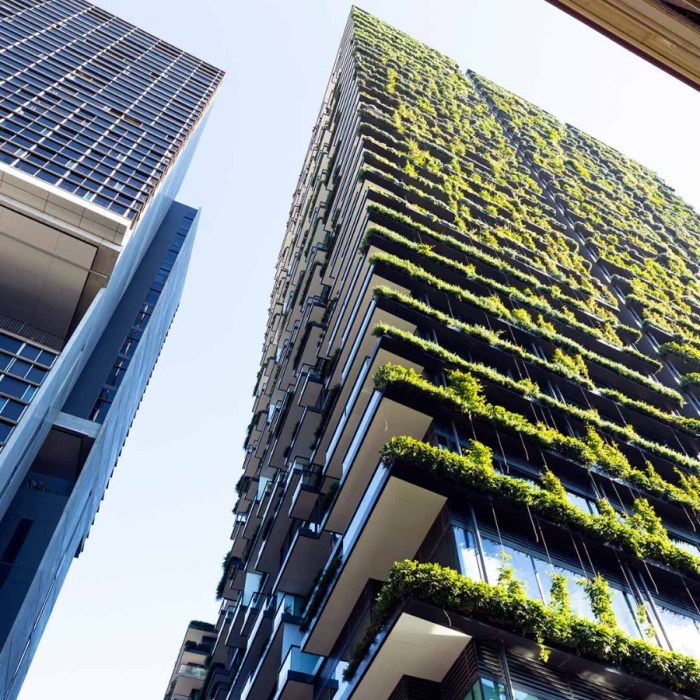
Smart building automation refers to the use of advanced technologies to control and monitor various systems within a building, such as heating, ventilation, air conditioning, lighting, and security. The primary goal is to optimize energy efficiency, enhance occupant comfort, and streamline maintenance processes.
Key Components of a Smart Building Automation System
- Sensors: These devices collect data on environmental conditions and occupancy levels, allowing for real-time adjustments to optimize energy usage.
- Actuators: Responsible for implementing changes based on the data received from sensors, such as adjusting temperature settings or turning off lights in unoccupied areas.
- Building Management System (BMS): The centralized platform that integrates all components and enables remote monitoring and control of building systems.
- Data Analytics: Utilizes algorithms to analyze collected data and identify patterns or anomalies to further improve system efficiency.
Advantages of Integrating Smart Automation Technologies
- Energy Efficiency: By optimizing system operations based on real-time data, smart automation can significantly reduce energy consumption and costs.
- Improved Comfort and Productivity: Automated adjustments to lighting, temperature, and ventilation can create a more comfortable and productive indoor environment for occupants.
- Remote Monitoring and Control: Facility managers can monitor and control building systems from anywhere, enabling proactive maintenance and troubleshooting.
Examples of Sustainability Contributions
- Lighting Control: Smart automation systems can adjust lighting levels based on natural light availability and occupancy, reducing energy waste.
- HVAC Optimization: Automated temperature and ventilation controls can minimize energy usage while maintaining optimal indoor conditions.
- Peak Demand Management: By intelligently managing energy usage during peak demand periods, smart automation can help reduce strain on the grid and lower overall energy consumption.
Closing Summary
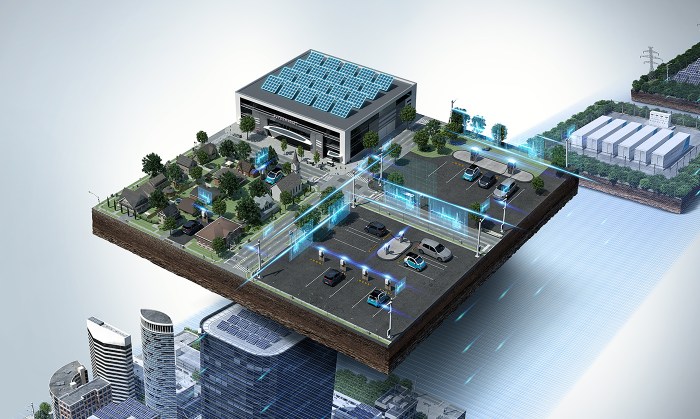
In essence, the integration of sustainable electric technologies in modern buildings not only propels us towards a greener future but also revolutionizes the very foundation of our architectural landscape. It is a journey towards a more sustainable, energy-efficient, and environmentally conscious built environment.
Question Bank
What are the benefits of incorporating sustainable electric technologies in modern buildings?
By integrating sustainable electric technologies, buildings can significantly reduce their carbon footprint, lower energy costs, and contribute to a healthier environment.
How do energy-efficient lighting systems impact electricity costs in buildings?
Energy-efficient lighting systems can lead to substantial savings on electricity costs due to their reduced energy consumption and longer lifespan.
What are some challenges of implementing solar power systems in buildings?
Challenges include initial installation costs, finding suitable locations for solar panels, and ensuring compatibility with existing building structures.
What role does smart building automation play in enhancing energy efficiency?
Smart building automation optimizes energy usage by regulating systems based on real-time data, leading to improved efficiency and reduced energy waste.