
Delving into Smart grid technology for electric power distribution, this introduction immerses readers in a unique and compelling narrative. The advancements in smart grid technology have revolutionized the energy sector, offering numerous benefits and possibilities for more efficient power distribution systems.
Introduction to Smart Grid Technology
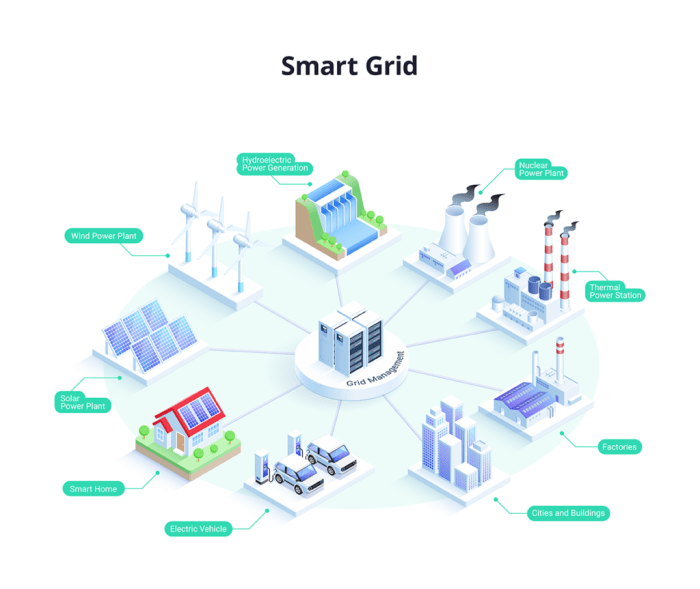
Smart grid technology refers to the modernization of the traditional electrical grid by incorporating advanced communication and digital technologies. This enables two-way communication between the utility company and consumers, allowing for more efficient and reliable electricity distribution.Smart grid technology is revolutionizing the energy sector by enhancing grid reliability, enabling faster outage response, integrating renewable energy sources, and empowering consumers to make informed decisions about their energy usage.
Benefits of Implementing Smart Grid Technology
- Improved Grid Reliability: Smart grid technology helps detect and isolate faults in the grid, reducing the likelihood of widespread outages.
- Enhanced Energy Efficiency: By providing real-time data on energy consumption, smart grids enable consumers to adjust their usage patterns and save on electricity bills.
- Integration of Renewable Energy: Smart grids facilitate the integration of renewable energy sources such as solar and wind power into the grid, promoting sustainability.
- Remote Monitoring and Control: Utility companies can remotely monitor and control grid operations, leading to quicker response times and optimized energy distribution.
- Increased Grid Security: Smart grids are equipped with advanced cybersecurity measures to protect against potential cyber threats, ensuring the security of the grid.
Components of Smart Grid Technology
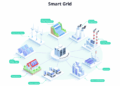
Smart grid technology consists of various key components that work together to modernize and improve electric power distribution systems. These components play a crucial role in enhancing efficiency, reliability, and sustainability in the way electricity is delivered to consumers.
Key Components of a Smart Grid System:
- Advanced Metering Infrastructure (AMI): Smart meters enable two-way communication between utilities and consumers, providing real-time data on energy consumption and allowing for more accurate billing.
- Distribution Automation: Automated control and monitoring systems help utilities detect and respond to outages more quickly, reducing downtime and improving overall system reliability.
- Renewable Energy Integration: Smart grids facilitate the integration of renewable energy sources such as solar and wind power, optimizing their use and reducing dependency on fossil fuels.
- Energy Storage Systems: Storage technologies like batteries allow for the efficient storage of excess energy generated during times of low demand, helping to balance supply and demand on the grid.
- Grid Modernization Technologies: Grid modernization includes the use of advanced sensors, communication networks, and analytics to improve system monitoring, control, and maintenance.
Comparison with Traditional Power Distribution Systems:
In contrast to traditional power distribution systems, smart grid technology components offer a more dynamic and responsive approach to managing electricity distribution. While traditional systems rely on manual intervention and have limited communication capabilities, smart grids leverage automation, data analytics, and real-time monitoring to optimize system performance.
Role of Sensors, Meters, and Automation:
- Sensors:Sensors are used to collect data on grid conditions, energy consumption, and equipment performance. This data is crucial for monitoring system health, detecting anomalies, and optimizing grid operations.
- Meters:Smart meters provide detailed information on energy consumption patterns, allowing consumers to make informed decisions about their usage and enabling utilities to implement demand response programs more effectively.
- Automation:Automation systems help utilities remotely control grid devices, respond to outages, and manage energy flow more efficiently. This automation reduces manual errors, speeds up response times, and enhances overall system reliability.
Integration of Renewable Energy Sources
Smart grid technology plays a crucial role in facilitating the integration of renewable energy sources into the existing electric power distribution system. By incorporating advanced monitoring, communication, and control capabilities, smart grids enable a seamless connection between renewable energy generators and consumers.
Challenges and Benefits
Integrating renewable energy sources into smart grids comes with its own set of challenges and benefits. One of the main challenges is the intermittent nature of renewable energy generation, which can lead to grid instability. However, the benefits are numerous, including reduced carbon emissions, increased energy independence, and lower operating costs in the long run.
Successful Implementation Examples
Several countries have successfully implemented the integration of renewable energy into smart grid systems. For instance, Germany's Energiewende initiative has made significant progress in integrating wind and solar power into their grid, resulting in a substantial increase in renewable energy capacity.
Similarly, California has been a pioneer in adopting smart grid technologies to accommodate a higher percentage of renewable energy sources.
Data Analytics and Management in Smart Grids
Data analytics plays a crucial role in smart grid technology, allowing for the collection, analysis, and interpretation of vast amounts of data to optimize power distribution. By leveraging advanced analytics tools, smart grids can improve efficiency, reliability, and sustainability in the management of electric power.
Importance of Data Analytics in Smart Grid Technology
- Data analytics enables real-time monitoring and control of the grid, identifying patterns and anomalies to prevent outages and reduce energy losses.
- Utilizing predictive analytics, smart grids can anticipate demand fluctuations, integrate renewable energy sources effectively, and optimize energy storage solutions.
- By analyzing consumer behavior and usage patterns, utilities can offer personalized energy solutions, promote energy conservation, and enhance customer satisfaction.
Data Management Systems in Power Distribution Optimization
- Data management systems in smart grids ensure the secure storage, processing, and sharing of data among various grid components, enhancing operational efficiency.
- These systems enable the integration of diverse data sources, such as smart meters, sensors, and weather forecasts, to facilitate informed decision-making for grid operators.
- Through data visualization tools and dashboards, operators can gain insights into grid performance, identify potential issues, and implement proactive measures to enhance grid reliability.
Cybersecurity Measures for Data Protection in Smart Grids
- Implementing robust cybersecurity measures is essential to safeguard sensitive data in smart grid systems from cyber threats, unauthorized access, and data breaches.
- Encryption techniques, secure communication protocols, and access control mechanisms help prevent data tampering, ensure data integrity, and protect critical infrastructure from cyber attacks.
- Ongoing monitoring, regular security audits, and incident response plans are vital to detect and mitigate cybersecurity threats promptly, maintaining the resilience and security of smart grid operations.
Epilogue
In conclusion, Smart grid technology for electric power distribution is a game-changer in the energy industry, paving the way for a more sustainable and reliable power grid. The integration of renewable energy sources, data analytics, and efficient management systems are key components in shaping the future of electric power distribution.
Essential Questionnaire
How does smart grid technology benefit electric power distribution?
Smart grid technology improves efficiency, reliability, and flexibility in power distribution, leading to cost savings and reduced energy wastage.
What are some key components of a smart grid system?
Key components include sensors, meters, automation systems, and advanced communication networks for real-time monitoring and control of electricity flow.
How does smart grid technology integrate renewable energy sources?
Smart grid technology enables seamless integration of renewable energy sources by managing fluctuations in supply and demand, optimizing energy storage, and balancing the grid effectively.
What role does data analytics play in smart grid technology?
Data analytics helps in analyzing consumption patterns, predicting demand, and optimizing grid operations for enhanced efficiency and performance.
How are cybersecurity measures implemented in smart grid systems?
Cybersecurity measures include encryption, authentication protocols, and continuous monitoring to protect data and ensure the security of smart grid systems against cyber threats.