
Diving into the realm of smart electric meters and energy monitoring systems opens up a world of innovation and efficiency. From revolutionizing how we track energy consumption to optimizing our usage, these technologies are shaping the future of energy management.
As we delve deeper, we uncover the intricacies of smart meters and the transformative impact they have on our daily lives.
Overview of Smart Electric Meters and Energy Monitoring Systems
Smart electric meters are advanced devices that monitor and record the consumption of electricity in real-time. These meters provide detailed data on energy usage, allowing for better management of electricity consumption and costs.Energy monitoring systems, on the other hand, are comprehensive tools that analyze energy usage patterns, identify potential areas for energy savings, and help optimize overall energy efficiency.
These systems often integrate with smart electric meters to provide a complete energy management solution for homes and businesses.
Differentiation Between Traditional Meters and Smart Meters
- Traditional meters require manual reading by utility providers, while smart meters transmit data automatically, eliminating the need for physical readings.
- Smart meters offer real-time data on energy consumption, allowing users to monitor usage patterns and adjust their behavior accordingly, unlike traditional meters that provide only monthly billing information.
- Energy monitoring systems can be integrated with smart meters to provide additional insights and analytics on energy usage, enabling more informed decision-making and energy conservation efforts.
Benefits of Smart Electric Meters and Energy Monitoring Systems
Smart electric meters and energy monitoring systems offer numerous advantages for both consumers and utilities. These systems provide real-time data on energy usage, helping individuals and organizations make informed decisions to optimize energy consumption and reduce costs.
Key Advantages of Using Smart Meters
- Accurate Billing: Smart meters eliminate estimated bills by providing precise data on energy usage, ensuring customers are billed based on actual consumption.
- Remote Monitoring: Utilities can remotely monitor energy usage without the need for manual readings, improving operational efficiency and reducing costs.
- Time-of-Use Pricing: Smart meters enable time-of-use pricing, allowing consumers to adjust their energy usage to take advantage of lower rates during off-peak hours.
- Fault Detection: These systems can quickly detect faults or outages, enabling utilities to respond promptly and minimize downtime.
Reduction of Energy Consumption with Energy Monitoring Systems
- Real-Time Feedback: Energy monitoring systems provide real-time feedback on energy usage, empowering consumers to identify energy-intensive appliances and behaviors that can be modified to reduce consumption.
- Goal Setting: Users can set energy-saving goals and track their progress over time, encouraging a more conscious and efficient use of electricity.
- Behavioral Changes: By visualizing energy usage patterns, individuals and organizations can make informed decisions to adjust their behavior and reduce unnecessary energy waste.
Impact on Energy Efficiency
- Optimized Energy Distribution: Smart meters help utilities optimize energy distribution by identifying peak demand periods and implementing strategies to balance load more effectively.
- Grid Stability: By providing insights into energy consumption patterns, these systems contribute to grid stability and reliability, reducing the risk of blackouts or system failures.
- Sustainability: Energy monitoring systems promote sustainability by encouraging energy conservation and efficient use, supporting environmental initiatives and reducing carbon emissions.
Technology Behind Smart Electric Meters
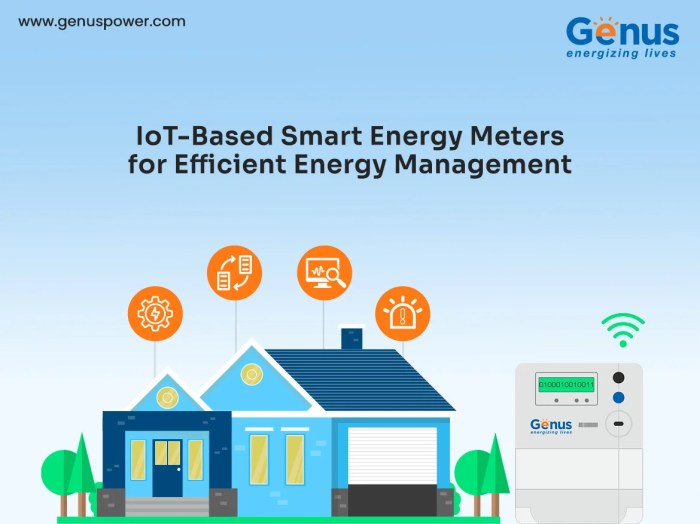
Smart electric meters are equipped with advanced technology that allows for efficient monitoring and management of electricity consumption. These meters play a crucial role in modernizing the energy grid and enabling better control over electricity usage.
Components of Smart Meters
Smart electric meters consist of several key components that work together to accurately measure and transmit data. These components include:
- Measurement Unit: Responsible for measuring the amount of electricity consumed.
- Data Processing Unit: Processes and stores the consumption data.
- Communication Module: Enables the meter to transmit data to utility companies or energy management systems.
- Display: Provides real-time information on energy usage to consumers.
Data Collection and Transmission
Smart meters collect electricity consumption data at regular intervals, typically every 15 minutes. This data is then transmitted through various communication technologies such as power line communication, radio frequency, or cellular networks. The collected data can be accessed by utility companies for billing purposes and by consumers for monitoring their energy usage in real-time.
Installation and Maintenance of Smart Meters
Installing smart electric meters is a crucial process that involves replacing traditional meters with advanced technology to accurately measure and monitor energy consumption. The maintenance of these systems is equally important to ensure optimal performance and efficiency.
Installation Process
Smart meter installation typically begins with a site visit from a technician who will assess the location and determine the best placement for the meter. The technician will then proceed to remove the old meter and install the new smart meter, ensuring that it is properly connected to the electrical system.
Once installed, the meter will be activated and tested to ensure accurate readings.
Maintenance Requirements
Regular maintenance of smart meters is essential to ensure their functionality and accuracy over time. This includes routine inspections to check for any physical damage or tampering, as well as software updates to address any performance issues or security vulnerabilities.
Additionally, calibration may be required periodically to maintain the accuracy of energy readings.
Challenges in Installation
One of the main challenges associated with installing smart meters is the need for specialized training for technicians to handle the advanced technology involved. Additionally, coordinating installations with multiple households or businesses within a specific timeframe can be logistically challenging.
Resistance from some consumers who may be wary of new technology or concerned about privacy issues can also pose challenges during the installation process.
Data Management and Analytics
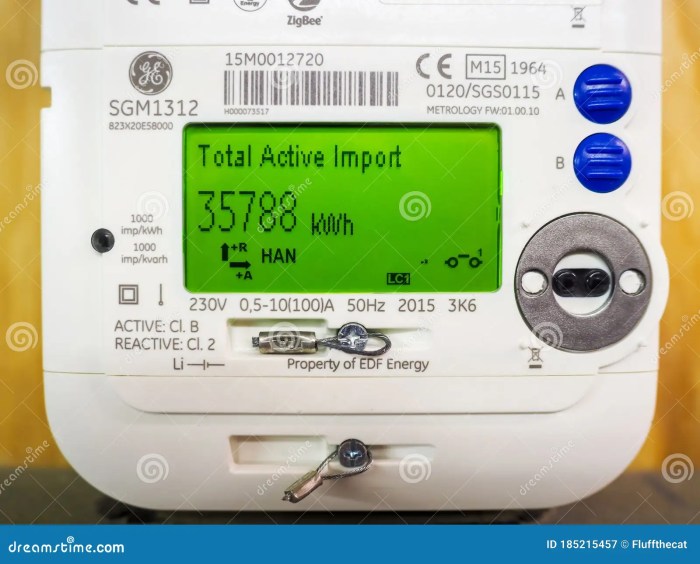
Smart electric meters collect a vast amount of data on energy consumption, usage patterns, and peak demand periods. This data needs to be effectively managed and analyzed to derive meaningful insights for optimizing energy usage and implementing energy-saving strategies.
Managing Data from Smart Meters
Smart meters generate real-time data on energy consumption at a granular level, such as hourly or even minute-by-minute readings. This data is transmitted to utility companies through secure communication networks for storage and processing. Advanced data management systems are used to organize, store, and analyze this data efficiently, ensuring its accuracy and reliability.
Importance of Data Analytics in Optimizing Energy Usage
Data analytics plays a crucial role in identifying consumption patterns, detecting anomalies, and predicting future energy needs based on historical data. By analyzing this data, utility companies can gain valuable insights into customer behavior, equipment efficiency, and overall energy usage trends.
This information enables them to optimize energy distribution, reduce waste, and improve overall grid performance.
Insights for Energy-Saving Strategies
Through data analytics, utility companies can identify opportunities for energy conservation and efficiency improvements. By analyzing customer usage patterns, they can offer personalized energy-saving tips, incentives, and programs. Additionally, insights from data analytics can help in identifying areas with high energy consumption, allowing for targeted interventions to reduce energy waste and promote sustainable practices.
Security and Privacy Concerns
Smart electric meters and energy monitoring systems offer numerous benefits, but they also raise concerns regarding security and privacy. As these devices collect and transmit sensitive data, it is essential to address potential risks and safeguard consumer information.
Potential Security Risks
- Unauthorized Access: Hackers could potentially gain access to smart meters and manipulate energy consumption data.
- Data Interception: Data transmitted by smart meters could be intercepted, leading to privacy breaches and misuse of information.
- Cyber Attacks: Smart meters are vulnerable to cyber attacks, which could disrupt energy supply or compromise the entire grid system.
Measures for Ensuring Privacy
- Encryption: Data transmitted by smart meters is encrypted to protect it from unauthorized access and ensure the privacy of consumer information.
- Access Control: Implementing strict access control measures can prevent unauthorized individuals from tampering with smart meters or accessing sensitive data.
- Data Minimization: Collecting only necessary data and storing it securely can reduce the risk of privacy breaches and unauthorized access.
Encryption for Data Protection
- Encryption is a crucial security measure used to protect data transmitted by smart meters. It involves encoding data in a way that only authorized parties can decipher it.
- End-to-End Encryption: Smart meters use end-to-end encryption to ensure that data is securely transmitted from the meter to the utility company without being intercepted or tampered with.
- Secure Communication Protocols: Smart meters employ secure communication protocols such as SSL/TLS to establish a secure connection and protect data during transmission.
Integration with Smart Home Systems
Smart electric meters can be seamlessly integrated with smart home systems to provide homeowners with real-time data on their energy consumption. By connecting the energy monitoring system with other smart devices in the home, users can gain a deeper understanding of their energy usage patterns and make more informed decisions to optimize their energy consumption.
Benefits of Integration
Integrating energy monitoring with other smart devices in a home offers several benefits. Firstly, it allows for better coordination between different appliances and systems, enabling more efficient energy usage. For example, smart thermostats can adjust the temperature based on energy consumption data from the smart meter, leading to energy savings without sacrificing comfort.
Additionally, integrating smart meters with home automation systems can enable users to remotely control and schedule the operation of appliances, further optimizing energy usage.
Automation and Control
The integration of smart electric meters with smart home systems opens up possibilities for automation and control. With the data provided by the smart meter, homeowners can set up rules and triggers for their smart devices to automatically adjust settings based on energy consumption levels.
For instance, lights can be programmed to turn off when a room is unoccupied for a certain period, or the dishwasher can be scheduled to run during off-peak hours to take advantage of lower electricity rates. This level of automation not only enhances convenience but also helps to reduce energy waste and costs.
Summary
In conclusion, Smart electric meters and energy monitoring systems offer a glimpse into a more sustainable and data-driven future. By harnessing the power of technology, we can pave the way for smarter energy usage and a greener planet.
FAQ Overview
How do smart electric meters differ from traditional meters?
Smart electric meters provide real-time data on energy usage and can communicate this information remotely, unlike traditional meters that require manual reading.
What are the key advantages of using smart meters?
Smart meters enable better monitoring of energy consumption, help in identifying areas for improvement, and promote energy efficiency.
How is data collected and transmitted by smart meters?
Smart meters collect energy usage data at regular intervals and transmit it wirelessly to utility companies for monitoring and billing purposes.
What security risks are associated with smart meters?
Potential security risks include data breaches and unauthorized access to personal energy consumption information.
How can smart electric meters be integrated with smart home systems?
Smart electric meters can be connected to smart home systems to provide real-time energy usage data and enable more efficient energy management within the household.