
How electric technologies drive smart cities sets the stage for this enthralling narrative, offering readers a glimpse into a story that is rich in detail and brimming with originality from the outset.
Smart cities are at the forefront of urban development, with electric technologies playing a pivotal role in shaping their infrastructure. As we delve deeper into this fascinating topic, we uncover the transformative power of sustainable energy solutions, smart grids, electric transportation, and IoT integration within the context of modern urban environments.
Introduction to Smart Cities and Electric Technologies
Smart cities are urban areas that utilize digital technologies to enhance the quality of life for residents, improve efficiency in various services, and promote sustainability. Electric technologies play a vital role in the development of smart cities by providing clean energy solutions, efficient transportation systems, and advanced infrastructure.
Role of Electric Technologies in Shaping Smart City Infrastructure
Electric technologies form the backbone of smart city infrastructure, enabling the integration of renewable energy sources, such as solar and wind power, to reduce carbon emissions and combat climate change. The adoption of electric vehicles and charging stations promotes sustainable transportation options, reducing reliance on fossil fuels and improving air quality in urban areas.
Benefits of Integrating Electric Technologies into Urban Planning
- Enhanced Energy Efficiency: Electric technologies help optimize energy consumption in buildings, street lighting, and public transportation, leading to reduced energy costs and lower carbon footprint.
- Improved Air Quality: Electric vehicles and clean energy solutions contribute to reducing air pollution and mitigating the impact of transportation emissions on public health.
- Resilient Infrastructure: Electric technologies enhance the resilience of urban infrastructure by providing reliable power supply, reducing the risk of outages, and ensuring continuity of essential services during emergencies.
- Economic Growth: The integration of electric technologies in smart city initiatives creates new job opportunities, fosters innovation in clean energy sectors, and attracts investments for sustainable development projects.
Sustainable Energy Solutions for Smart Cities
Electric technologies play a crucial role in driving sustainable energy solutions in smart cities. By leveraging renewable energy sources, smart cities can significantly reduce their carbon footprint and enhance their overall environmental sustainability.
Impact of Renewable Energy Sources
- Renewable energy sources such as solar, wind, and hydroelectric power are key components of sustainable energy solutions in smart cities.
- By harnessing these renewable sources, smart cities can decrease their reliance on fossil fuels, leading to lower greenhouse gas emissions and improved air quality.
- Integration of renewable energy sources also enhances energy security and resilience, making smart cities less vulnerable to disruptions in the energy supply chain.
Environmental Benefits of Electric Technologies
- Electric technologies offer significant environmental benefits compared to traditional energy systems, primarily due to their lower carbon emissions and reduced pollution levels.
- Electric vehicles, for instance, produce zero tailpipe emissions, reducing air pollution and improving overall urban air quality in smart cities.
- Smart grids and energy management systems help optimize energy use, leading to more efficient and sustainable energy consumption patterns across various sectors in smart cities.
Smart Grids and Energy Management
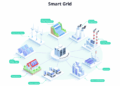
Smart grids play a crucial role in optimizing energy distribution within smart cities by integrating advanced technologies to improve efficiency and reliability. These intelligent systems enable two-way communication between power sources, consumers, and the grid itself, allowing for better management of electricity flow.
Importance of Smart Grids
Smart grids are essential for balancing energy supply and demand in urban environments, especially in smart cities where energy consumption is high. By incorporating digital communication and automation, smart grids enhance the overall reliability and resilience of the electrical grid.
Role of Energy Management Systems
Energy management systems are responsible for regulating electricity usage within smart cities, ensuring that power is distributed efficiently and effectively. These systems monitor energy consumption patterns, identify peak demand periods, and optimize energy flow to minimize wastage.
Examples of Smart Grid Enhancements
One example of how smart grids enhance the efficiency of electric technologies in smart cities is through demand response programs. These programs incentivize consumers to reduce electricity usage during peak hours, helping to balance the load on the grid and prevent blackouts.
Additionally, smart grids enable the integration of renewable energy sources such as solar and wind power, contributing to a more sustainable energy mix.
Electric Transportation and Mobility
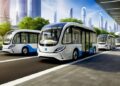
Electric vehicles play a crucial role in promoting sustainable transportation within smart cities. These vehicles run on electricity instead of fossil fuels, reducing greenhouse gas emissions and dependence on non-renewable resources
Infrastructure for Electric Mobility
Electric mobility solutions require a robust infrastructure to support widespread adoption. This includes charging stations, battery swapping facilities, and smart grid integration to manage energy demand effectively. The development of charging infrastructure in public spaces, residential areas, and workplaces is essential to encourage the use of electric vehicles.
Impact on Carbon Emissions and Air Quality
The adoption of electric transportation has a significant impact on reducing carbon emissions and improving air quality in smart cities. By replacing internal combustion engine vehicles with electric ones, cities can lower their carbon footprint and mitigate the harmful effects of pollution.
Electric vehicles produce zero tailpipe emissions, leading to cleaner air and healthier environments for residents.
Internet of Things (IoT) Integration in Smart Cities

The integration of Internet of Things (IoT) devices in smart cities plays a crucial role in optimizing city management and enhancing overall efficiency. By leveraging electric technologies, these IoT devices can collect, analyze, and communicate data in real-time, enabling city officials to make informed decisions for sustainable urban development.
Benefits of IoT Sensors in Optimizing Energy Consumption and Resource Utilization
- IoT sensors can monitor energy usage in buildings, streetlights, and other infrastructure, allowing for precise control and optimization of energy consumption.
- By tracking resource utilization such as water, waste, and transportation systems, IoT sensors help in identifying inefficiencies and implementing targeted solutions for resource conservation.
- The data collected by IoT devices enables predictive maintenance of critical infrastructure, reducing downtime and increasing operational efficiency.
Challenges and Opportunities of Implementing IoT Solutions in Urban Settings
- Challenges:
- Security and privacy concerns related to the vast amount of data generated by IoT devices and the potential risks of cyber-attacks.
- Interoperability issues between different IoT devices and platforms, hindering seamless integration and data sharing.
- Scalability challenges in managing a large number of IoT devices across a city and ensuring reliable connectivity.
- Opportunities:
- Enhanced decision-making capabilities for city officials based on real-time data insights provided by IoT devices.
- Improved citizen services and quality of life through smart solutions enabled by IoT technology, such as smart parking, waste management, and public transportation.
- Efficient resource allocation and reduced environmental impact by optimizing energy consumption and promoting sustainable practices in urban areas.
Concluding Remarks
In conclusion, the integration of electric technologies is not just a trend but a necessity for the future of smart cities. By embracing these innovations, cities can become more sustainable, efficient, and environmentally friendly. The journey towards smarter cities driven by electric technologies is an exciting path filled with endless possibilities for urban development and growth.
Popular Questions
How do electric technologies contribute to sustainable energy solutions in smart cities?
Electric technologies play a crucial role in promoting sustainable energy solutions by enabling the integration of renewable energy sources and enhancing energy efficiency within urban environments.
What is the significance of smart grids in optimizing energy distribution within smart cities?
Smart grids are essential for efficiently managing electricity distribution in smart cities, ensuring a reliable and stable energy supply while maximizing energy utilization.
How do electric vehicles impact carbon emissions and air quality in urban areas?
Electric vehicles help reduce carbon emissions and improve air quality by replacing traditional gasoline-powered vehicles with cleaner and more environmentally friendly transportation options.