
The future of electric public transportation systems is a compelling topic that delves into the innovative ways in which cities are transitioning towards sustainable modes of travel. From electric buses to smart charging infrastructure, this narrative explores the key components shaping the future of urban mobility.
Overview of Electric Public Transportation Systems
Electric public transportation systems refer to modes of transportation that utilize electric vehicles, such as buses, trains, and trams, to provide efficient and sustainable mobility options for the general public. These systems have gained increasing popularity due to their environmental benefits and contribution to reducing greenhouse gas emissions.Electric vehicles used in public transportation offer several advantages over traditional fossil fuel-powered vehicles.
They are quieter, have lower maintenance costs, and produce zero tailpipe emissions, leading to improved air quality in urban areas. Additionally, electric public transportation systems help reduce dependence on finite fossil fuels and promote energy independence.
Benefits of Using Electric Vehicles for Public Transportation
- Reduced greenhouse gas emissions
- Improved air quality
- Lower operating costs
- Enhanced passenger experience
Contribution to Sustainability
Electric public transportation systems play a crucial role in promoting sustainability by reducing the carbon footprint of urban transportation. By transitioning to electric vehicles, cities can decrease their reliance on fossil fuels and move towards a cleaner and more environmentally friendly transportation system.
This shift aligns with global efforts to combat climate change and create more livable and sustainable cities for future generations.
Types of Electric Public Transportation Vehicles
Electric vehicles are becoming increasingly popular in public transportation systems due to their environmental benefits and efficiency. Different types of electric vehicles are being utilized to cater to the diverse needs of commuters. Let's explore the various types of electric public transportation vehicles and their advantages.
Electric Buses
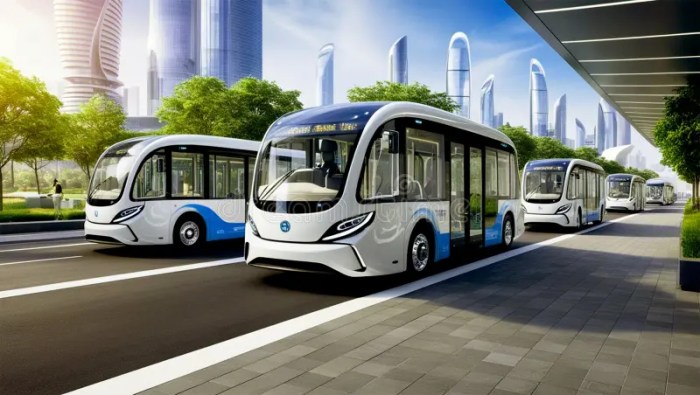
Electric buses are one of the most common types of electric public transportation vehicles. They are powered by electricity stored in onboard batteries, eliminating the need for fossil fuels. Electric buses offer a quieter and smoother ride compared to traditional diesel buses.
They also have lower operating costs and contribute to reducing air pollution in urban areas.
Electric Trams
Electric trams, also known as streetcars or trolleys, are another popular form of electric public transportation. These vehicles run on tracks embedded in city streets and are powered by overhead electrical lines. Electric trams are efficient in transporting a large number of passengers and are a sustainable alternative to diesel-powered trams.
They provide a convenient and eco-friendly mode of transportation in urban areas.
Electric Trains
Electric trains are a crucial part of many public transportation systems, especially in metropolitan areas. These trains are powered by electricity from overhead lines or third rails, making them a cleaner and more energy-efficient option than diesel trains. Electric trains offer a reliable and fast mode of transportation for both short and long distances, contributing to reducing traffic congestion and carbon emissions.
Electric Taxis and Shuttles
Integrating electric taxis and shuttles into public transportation systems can further enhance the sustainability and efficiency of urban mobility. Electric taxis offer a zero-emission option for point-to-point transportation services, reducing air pollution and noise levels in cities. Electric shuttles, on the other hand, provide flexible and on-demand transportation solutions for passengers in busy urban areas.
By incorporating electric taxis and shuttles into public transportation networks, cities can promote clean and convenient mobility options for residents and visitors alike.
Infrastructure for Electric Public Transportation
Building a robust infrastructure for electric public transportation is crucial for the widespread adoption of electric vehicles. One of the key components of this infrastructure is the presence of charging stations.
Importance of Charging Stations
Charging stations are essential for electric public transportation vehicles to operate efficiently and effectively. They provide a convenient and reliable way for vehicles to recharge their batteries, ensuring that they can continue their routes without any interruptions.
- Charging stations help reduce range anxiety among both operators and passengers, as they provide a designated place for vehicles to recharge when needed.
- By strategically placing charging stations along routes, operators can optimize the use of their fleet and minimize downtime due to charging.
- Public charging stations also encourage the adoption of electric vehicles by making it easier for individuals to own and operate them.
Challenges and Solutions
Building a charging infrastructure for electric public transportation comes with its own set of challenges, but there are solutions available to address these issues.
- Cost: One of the main challenges is the high cost of installing charging stations. However, partnerships with government agencies, private companies, and utility providers can help offset these costs.
- Grid Capacity: The increased demand for electricity from charging stations can strain the existing power grid. Implementing smart grid technologies and time-of-use pricing can help manage this demand more efficiently.
- Location: Finding suitable locations for charging stations, especially in urban areas with limited space, can be a challenge. Innovative solutions like curbside charging stations and underground charging facilities can help address this issue.
Smart Technologies for Monitoring and Managing Charging Stations
Advancements in smart technologies have made it easier to monitor and manage electric vehicle charging stations, ensuring their optimal performance and efficiency.
- Remote Monitoring: Operators can remotely monitor the status of charging stations, track usage patterns, and identify any issues in real-time.
- Smart Charging: Smart charging technologies allow operators to optimize charging schedules based on electricity prices, grid demand, and vehicle usage patterns, reducing operational costs and grid impact.
- Load Management: Intelligent load management systems distribute power efficiently among multiple charging stations, reducing the strain on the grid and preventing overload situations.
Role of Renewable Energy in Electric Public Transportation
Renewable energy sources play a crucial role in powering electric public transportation systems, offering a sustainable and environmentally friendly alternative to traditional fossil fuels. By harnessing renewable energy, public transportation can significantly reduce its carbon footprint and contribute to a cleaner and greener future.
Impact of Renewable Energy Sources
Renewable energy sources such as solar and wind power have a profound impact on powering electric public transportation systems. These clean energy sources provide a reliable and sustainable way to charge electric vehicles, eliminating the reliance on non-renewable resources and reducing greenhouse gas emissions.
By integrating renewable energy into public transportation infrastructure, cities can achieve greater energy independence and environmental sustainability.
Potential of Solar and Wind Power
Solar and wind power hold immense potential for charging electric vehicles in public transportation systems. Solar panels can be installed on the roofs of charging stations or directly on the vehicles themselves, harnessing the abundant energy from the sun to power electric buses, trams, and trains.
Similarly, wind turbines can be utilized to generate electricity for charging stations, offering a continuous and renewable energy source to keep public transportation running efficiently.
Innovative Solutions for Integration
Innovative solutions are being developed to seamlessly integrate renewable energy into public transportation infrastructure. Energy storage systems, such as batteries or hydrogen fuel cells, can store excess energy generated from solar panels or wind turbines to ensure a continuous power supply for electric vehicles.
Smart grid technologies also play a vital role in optimizing the use of renewable energy sources, allowing for efficient charging and distribution of electricity within the public transportation network.
Environmental and Economic Impacts
Electric public transportation systems offer numerous environmental and economic benefits compared to traditional fossil fuel-based systems. By transitioning to electric vehicles, cities can significantly reduce harmful emissions, improve air quality, and mitigate the impacts of climate change. Additionally, investing in electric transportation can lead to cost savings in the long run and create new economic opportunities.
Environmental Benefits of Electric Public Transportation
- Reduction in greenhouse gas emissions: Electric vehicles produce zero tailpipe emissions, helping to combat climate change and reduce air pollution in urban areas.
- Improved air quality: By eliminating exhaust fumes from diesel or gasoline engines, electric public transportation can contribute to cleaner and healthier environments for both passengers and residents.
- Noise pollution reduction: Electric vehicles are quieter than traditional combustion engine vehicles, leading to quieter and more peaceful urban spaces.
Economic Advantages of Investing in Electric Transportation Systems
- Lower operating costs: Electric vehicles have lower maintenance and fuel costs compared to traditional vehicles, resulting in long-term savings for transportation operators.
- Job creation: The shift to electric transportation creates new opportunities for jobs in manufacturing, maintenance, and infrastructure development related to electric vehicles.
- Increased energy independence: By reducing reliance on fossil fuels, cities can enhance their energy security and reduce vulnerability to volatile oil prices.
Long-term Savings and Cost-effectiveness of Electric Public Transportation
- Total cost of ownership: While electric vehicles may have higher upfront costs, their lower operating and maintenance expenses over time can result in significant savings for transit agencies and operators.
- External cost savings: Electric public transportation systems can help avoid costs associated with health issues related to air pollution, such as medical expenses and lost productivity.
- Incentives and subsidies: Governments and organizations often provide financial incentives and subsidies to encourage the adoption of electric vehicles, further enhancing the cost-effectiveness of electric public transportation.
Ending Remarks
In conclusion, the future of electric public transportation systems holds immense promise for creating greener, more efficient cities. By embracing renewable energy sources and investing in electric vehicles, communities can pave the way for a cleaner and more sustainable future in transportation.
FAQ Insights
How do electric public transportation systems benefit the environment?
Electric public transportation systems reduce air pollution and greenhouse gas emissions, leading to cleaner and healthier cities.
What are the challenges of building a charging infrastructure for electric public transportation?
Challenges include the high initial costs, finding suitable locations for charging stations, and ensuring compatibility with different types of electric vehicles.
What are the economic advantages of investing in electric transportation systems?
Investing in electric transportation systems can lead to long-term savings on fuel costs and maintenance, making it a cost-effective choice in the long run.