
Embark on a journey into the future where Electric home appliances with IoT integration are reshaping the way we interact with our everyday devices. Discover how the seamless connection between technology and household items is enhancing efficiency and convenience in unprecedented ways.
Explore the possibilities of a smart home ecosystem where your appliances work together harmoniously to elevate your living experience to new heights.
Introduction to Electric Home Appliances with IoT Integration
Electric home appliances with IoT integration refer to devices that can connect to the internet and communicate with other devices to provide smart functionalities and remote control capabilities.
Examples of Electric Home Appliances with IoT Integration
- Smart refrigerators that can notify you when you are running low on groceries or create shopping lists.
- Smart thermostats that learn your temperature preferences and adjust accordingly to save energy.
- Smart lighting systems that can be controlled remotely through a mobile app.
- Smart washing machines that can be scheduled to start a load of laundry when energy costs are lower.
Benefits of Incorporating IoT into Household Devices
- Convenience: IoT devices allow for remote monitoring and control, making it easier to manage household tasks.
- Energy Efficiency: Smart appliances can optimize energy usage based on your habits and preferences, saving you money in the long run.
- Improved Functionality: IoT integration can add new features and capabilities to traditional appliances, enhancing their overall performance.
- Safety and Security: Smart devices can provide alerts for potential hazards, such as leaks or fires, and offer enhanced security features for peace of mind.
Smart Features Enabled by IoT in Electric Home Appliances
IoT technology has revolutionized the way we interact with electric home appliances, introducing a whole new level of convenience and efficiency. By connecting appliances to the internet and allowing them to communicate with each other, IoT enables a wide range of smart features that enhance user experience.
Enhanced Functionality
IoT integration in electric home appliances allows for remote monitoring and control, enabling users to adjust settings or receive notifications from anywhere. For example, a smart refrigerator can alert you when you're running low on groceries or even create a shopping list for you.
This level of automation and connectivity makes daily tasks more streamlined and convenient.
Efficiency and Convenience
Traditional appliances operate independently, requiring manual input and monitoring. In contrast, IoT-enabled appliances can learn from user behavior and adjust settings automatically to optimize energy usage and performance. For instance, a smart thermostat can adapt to your schedule and preferences, saving energy without sacrificing comfort.
This level of intelligence not only improves efficiency but also enhances user convenience.
Improved User Experience
Real-life scenarios demonstrate the tangible benefits of IoT integration in electric home appliances. Imagine coming home to a preheated oven that has already started cooking your dinner, thanks to remote control capabilities. Or receiving a notification on your phone when your laundry is done, so you can promptly switch it to the dryer.
These examples showcase how IoT technology enhances user experience by making appliances smarter and more user-friendly.
Connectivity and Communication in IoT Integrated Appliances
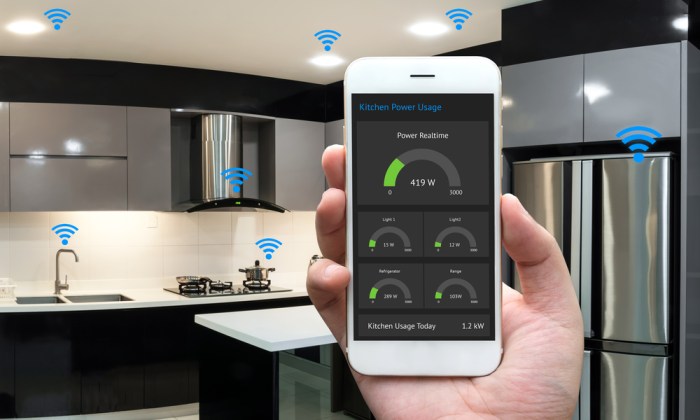
IoT integrated electric home appliances have revolutionized the way devices communicate with each other, offering a seamless and interconnected user experience
Wireless Connectivity
Wireless connectivity plays a crucial role in enabling communication between IoT appliances. These devices utilize protocols such as Wi-Fi, Bluetooth, Zigbee, and Z-Wave to establish connections and exchange data. Wi-Fi is commonly used for high-speed internet connectivity, while Bluetooth is ideal for short-range communication between devices.
Zigbee and Z-Wave are often preferred for smart home applications due to their low power consumption and ability to create mesh networks.
Cloud-Based Communication
Cloud-based communication is another key aspect of IoT integration in electric home appliances. By leveraging cloud services, devices can securely store and access data, enabling remote monitoring and control. This allows users to manage their appliances from anywhere, enhancing convenience and efficiency.
Secure Communication Protocols
Ensuring secure communication protocols is imperative in IoT devices to safeguard sensitive data and protect user privacy. Encryption techniques such as SSL/TLS are commonly used to establish secure connections between devices and servers. Implementing authentication mechanisms and regular software updates are also essential to prevent unauthorized access and ensure the integrity of IoT networks.
Energy Efficiency and Sustainability in IoT Appliances
IoT integration plays a crucial role in enhancing energy efficiency and promoting sustainability in electric home appliances. By utilizing smart features enabled by IoT technology, appliances can optimize energy consumption, reduce wastage, and ultimately contribute to a greener environment.
Role of IoT Sensors in Energy Optimization
IoT sensors are key components in IoT-enabled appliances that enable them to gather real-time data on usage patterns, environmental conditions, and energy consumption. These sensors collect data and send it to the appliance's control system, which then adjusts settings to optimize energy usage.
For example, smart thermostats use IoT sensors to detect when a room is empty and adjust the temperature accordingly, saving energy when no one is present.
Environmental Impact and Sustainability
The use of IoT-enabled appliances has a positive impact on the environment by reducing energy consumption and promoting sustainability. By optimizing energy usage and reducing wastage, these appliances help lower overall energy consumption, resulting in reduced greenhouse gas emissions and a smaller carbon footprint.
Additionally, IoT integration allows users to monitor and track their energy usage, encouraging more conscious consumption habits and further promoting sustainability in households.
Final Conclusion
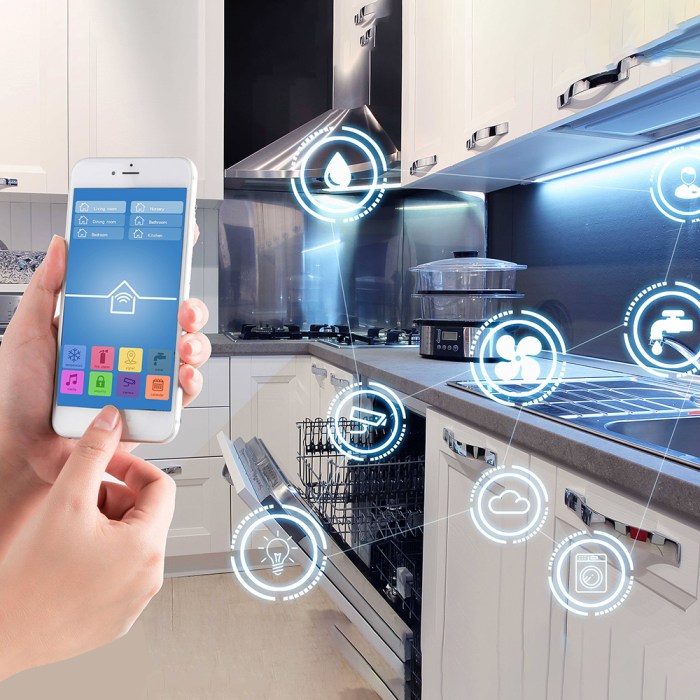
As we conclude our discussion on Electric home appliances with IoT integration, it's evident that the marriage of technology and everyday devices is paving the way for a more connected and efficient lifestyle. Embrace the innovations that IoT brings to your home, and witness the transformation it can bring to your daily routines.
Top FAQs
How does IoT integration benefit electric home appliances?
IoT integration enhances the functionality of appliances by enabling remote control, automation, and data monitoring, leading to increased efficiency and convenience.
What are some common examples of electric home appliances with IoT integration?
Examples include smart refrigerators, connected thermostats, intelligent lighting systems, and automated home security devices.
How do IoT-enabled appliances communicate with each other?
Appliances communicate through wireless protocols like Wi-Fi, Bluetooth, or Zigbee, allowing seamless interaction and coordination within a smart home network.