

Embark on a journey into the world of electric heating systems with smart thermostats, where innovation meets sustainability. Discover how these systems revolutionize energy consumption and provide unparalleled convenience through remote control features. Dive into the realm of cost-effectiveness as smart thermostats optimize heating schedules for maximum efficiency.
Benefits of Electric Heating Systems with Smart Thermostats
Electric heating systems paired with smart thermostats offer numerous advantages that enhance energy efficiency, convenience, and cost-effectiveness.
Reduced Energy Consumption
Smart thermostats enable users to set precise temperatures for different times of the day, ensuring that energy is not wasted on heating an empty house. By automatically adjusting the temperature based on occupancy and user preferences, these systems help reduce overall energy consumption.
Remote Heating Control
One of the key benefits of smart thermostats is the ability to control heating settings remotely through a smartphone or other smart devices. This feature allows users to adjust the temperature in their homes from anywhere, providing convenience and flexibility in managing their heating systems.
Cost-Effectiveness through Optimization
Smart thermostats can learn user behavior and preferences over time, optimizing heating schedules to maximize energy efficiency and minimize costs. By adapting to the household's routine and making adjustments to avoid heating an empty house, these systems help homeowners save money on their heating bills.
Features and Functions of Smart Thermostats
Smart thermostats come with a variety of features that make them more advanced and efficient compared to traditional thermostats. These features include programmable schedules, learning capabilities, and integration with other smart home devices for enhanced automation.
Programmable Schedules
Smart thermostats allow users to set specific temperature schedules throughout the day based on their preferences. This feature helps in saving energy by adjusting the temperature according to when the house is occupied or empty.
Learning Capabilities
Some smart thermostats have learning capabilities that adapt to the user's behaviors and preferences over time. By monitoring patterns and adjusting settings accordingly, these thermostats can optimize energy usage and provide maximum comfort without manual intervention.
Integration with Other Smart Home Devices
Smart thermostats can be integrated with other smart home devices such as smart lights, sensors, and voice assistants like Alexa or Google Assistant. This integration allows for a more seamless and automated home environment where different devices work together to enhance comfort and efficiency.
Comparison of Smart Thermostat Models
There are various models of smart thermostats available in the market, each with its unique functions and capabilities. Some popular models include Nest Learning Thermostat, Ecobee SmartThermostat, and Honeywell Lyric T5. These models differ in terms of design, interface, learning algorithms, and compatibility with other devices.
It's essential to compare and choose the right smart thermostat based on individual needs and preferences.
Installation and Setup of Electric Heating Systems with Smart Thermostats
When it comes to setting up an electric heating system with a smart thermostat, it's essential to follow a step-by-step guide to ensure proper installation and optimal performance. Compatibility considerations and tips for configuration are also crucial to get the most out of your smart thermostat.
Step-by-Step Guide for Installation
- Turn off the power supply to your heating system before starting the installation process to avoid any accidents.
- Mount the smart thermostat on the wall in a central location for accurate temperature readings.
- Connect the thermostat to the heating system following the manufacturer's instructions and guidelines.
- Power on the system and follow the setup wizard on the thermostat's display to configure settings such as Wi-Fi connection and temperature preferences.
- Test the system to ensure everything is working correctly before relying on it for heating your space.
Compatibility Considerations
- Check if the smart thermostat you choose is compatible with your existing electric heating system to avoid any issues or malfunctions.
- Look for smart thermostats that support the voltage and heating system type of your setup for seamless integration.
- Consider if additional accessories or adapters are needed to connect the thermostat to your heating system effectively.
Tips for Setting Up and Configuring
- Calibrate the smart thermostat to match the actual temperature of your space for accurate heating control.
- Utilize the scheduling feature to set specific times for heating to optimize energy efficiency and comfort.
- Enable geofencing on the thermostat to automatically adjust temperature settings based on your location for added convenience.
- Regularly update the thermostat's firmware to ensure it has the latest features and security patches for improved performance.
Maintenance and Troubleshooting Tips for Electric Heating Systems with Smart Thermostats
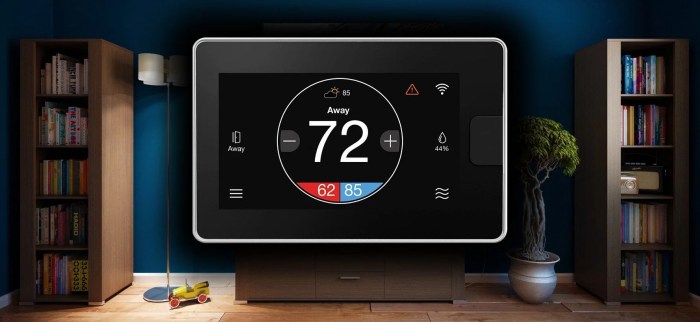
Regular maintenance is essential to ensure the efficiency and longevity of your electric heating system and smart thermostat. By following these maintenance and troubleshooting tips, you can prevent potential issues and keep your heating system running smoothly.
Regular Maintenance Tasks
- Check and replace air filters regularly to ensure proper airflow and system efficiency.
- Inspect and clean the heating elements to prevent dust and debris buildup, which can affect the system's performance.
- Test the thermostat settings and calibrate if necessary to maintain accurate temperature control.
- Ensure that all vents and registers are clear of obstructions to allow for proper air circulation.
Common Issues and Troubleshooting
- If the smart thermostat is not responding, check the power source and batteries. Replace the batteries if needed.
- If the heating system is producing inadequate heat, check the air filters and vents for blockages. Clean or replace as necessary.
- If the system is cycling on and off frequently, it could be a sign of a faulty thermostat or improper calibration. Recalibrate the thermostat or seek professional help.
- If there are sudden temperature fluctuations, check for drafts or heat sources near the thermostat that may be affecting its readings.
Importance of Software Updates and Firmware Upgrades
Regular software updates and firmware upgrades are crucial for smart thermostats to ensure optimal performance and security. These updates often include bug fixes, new features, and improved compatibility with other devices. Make sure to regularly check for updates and install them promptly to keep your smart thermostat up-to-date.
Conclusive Thoughts
As we conclude our exploration of electric heating systems with smart thermostats, it's evident that these technological marvels offer a blend of efficiency, convenience, and savings. With the power to control your heating at your fingertips, the future of home heating is indeed bright and smart.
FAQ Corner
How do smart thermostats help in reducing energy consumption?
Smart thermostats optimize heating cycles based on occupancy and usage patterns, leading to reduced energy wastage.
Can smart thermostats integrate with other smart home devices?
Yes, smart thermostats can communicate with various smart devices like sensors, lights, and voice assistants for seamless home automation.
What are some common issues users might face with smart thermostats?
Common issues include connectivity problems, sensor inaccuracies, and compatibility issues with older HVAC systems.
Why are software updates important for smart thermostats?
Software updates often introduce new features, enhance performance, and address security vulnerabilities, ensuring optimal functioning of smart thermostats.